AdvertisementLeaderboard · 728×90 / 970×250 desktop · 320×50 mobilehouse_top_leaderboard
Fuel Pump
Learn how tank pumps, high-pressure pumps, transfer devices and sender units differ, and how to find the correct pump count for your vehicle.
A Charger pump count depends on year, engine and modifications. Distinguish the electric supply pump, transfer hardware and true dual-pump systems.
Power Stroke pump counts depend on engine and model year. Separate the fuel-supply pump, high-pressure fuel pump and injector-actuation oil system.
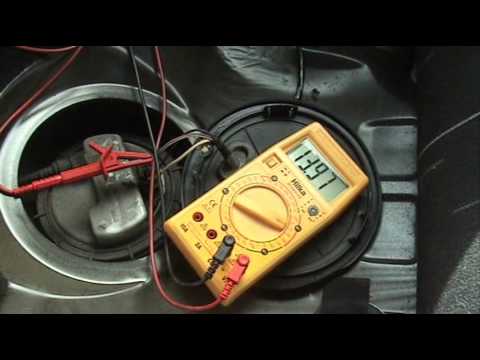
Understand nominal voltage, loaded supply, voltage drop and PWM control before deciding that a fuel pump has too little power.
Compare Mustang fuel pump estimates by year, engine, pump type and labor scope. Avoid confusing a bare pump price with a complete installed repair.
Do not pressurize a fuel tank to force a failing pump to work. Distinguish approved priming equipment, pulse-pump operation and diagnostic testing.
A fuel pump spinning on a bench does not prove pressure or flow. Learn what a controlled test requires and when installed-circuit testing is better.
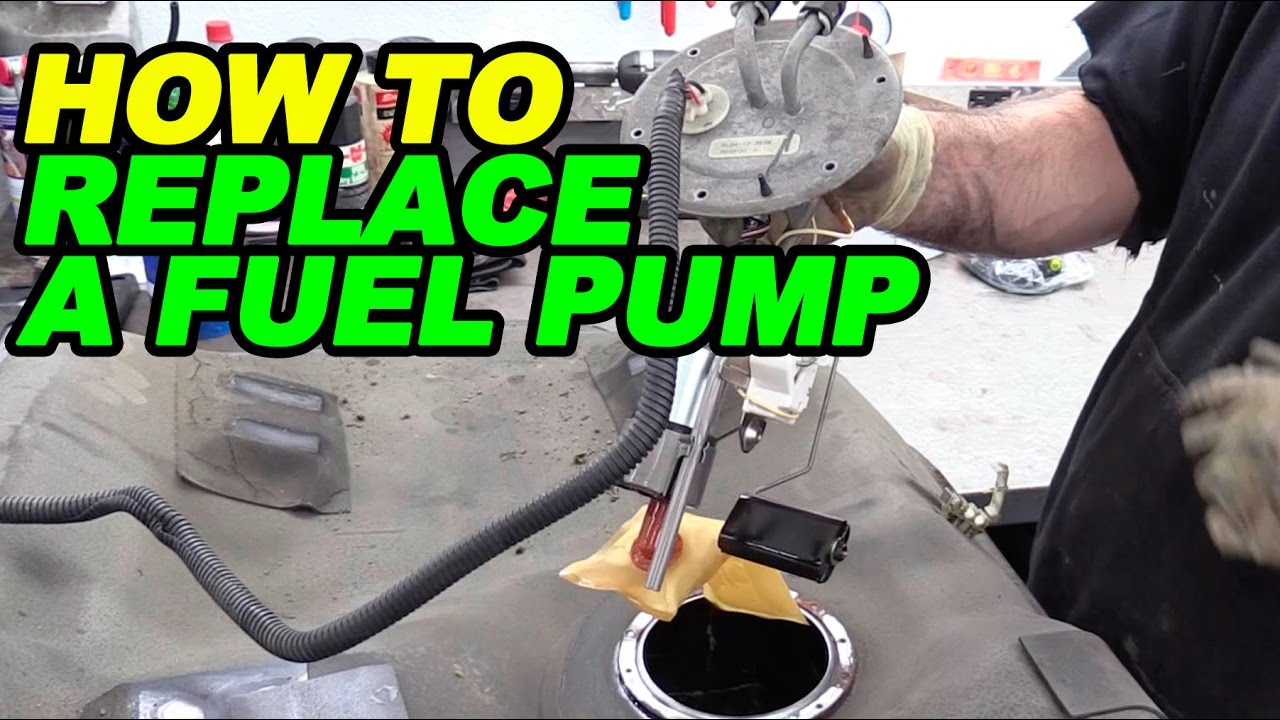
Plan fuel-pump replacement around the exact vehicle, safe access, pressure relief, correct parts and documented installation checks.
Find out when fuel-system cleaning is appropriate, when a pump needs replacement, and why additives cannot repair electrical or internal damage.
Understand why a direct fuel-pump feed can bypass safety controls, what a controlled electrical test proves, and how to repair the actual circuit fault.
Identify the fuel-line connector and correct release method, prepare the system safely and check seals and retention before restarting.
Plan fuel-pump isolation correctly: identify the circuit, relieve pressure by the vehicle procedure and distinguish electrical from fuel connections.
AdvertisementIn-feed · 336×280 / 300×250 desktop · 300×250 mobilehouse_infeed
AdvertisementSidebar · 300×250 / 300×600house_sidebar
AdvertisementLeaderboard · 728×90 desktop · 320×50 mobilehouse_bottom