AdvertisementLeaderboard · 728×90 / 970×250 desktop · 320×50 mobilehouse_top_leaderboard
Fuel Pump
Use a test light only on suitable fuel-pump relay circuits. Learn how command timing, circuit diagrams and tool limits affect the result.
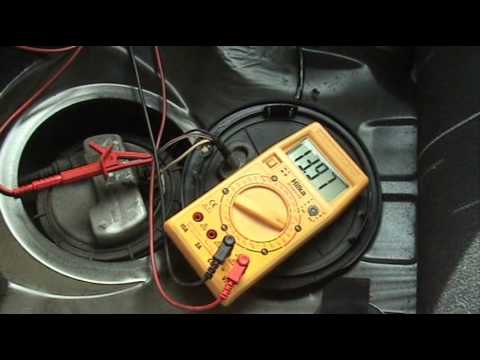
Use a multimeter to investigate fuel-pump supply and ground faults. Understand loaded voltage checks, resistance limits and when other tests are needed.
Combine the right pressure, delivery, electrical and control checks to test a fuel pump without treating a hum or one code as proof of failure.
Assess low-pressure supply, commanded and actual rail pressure, sensor plausibility and mechanical checks without opening a pressurized fuel line.
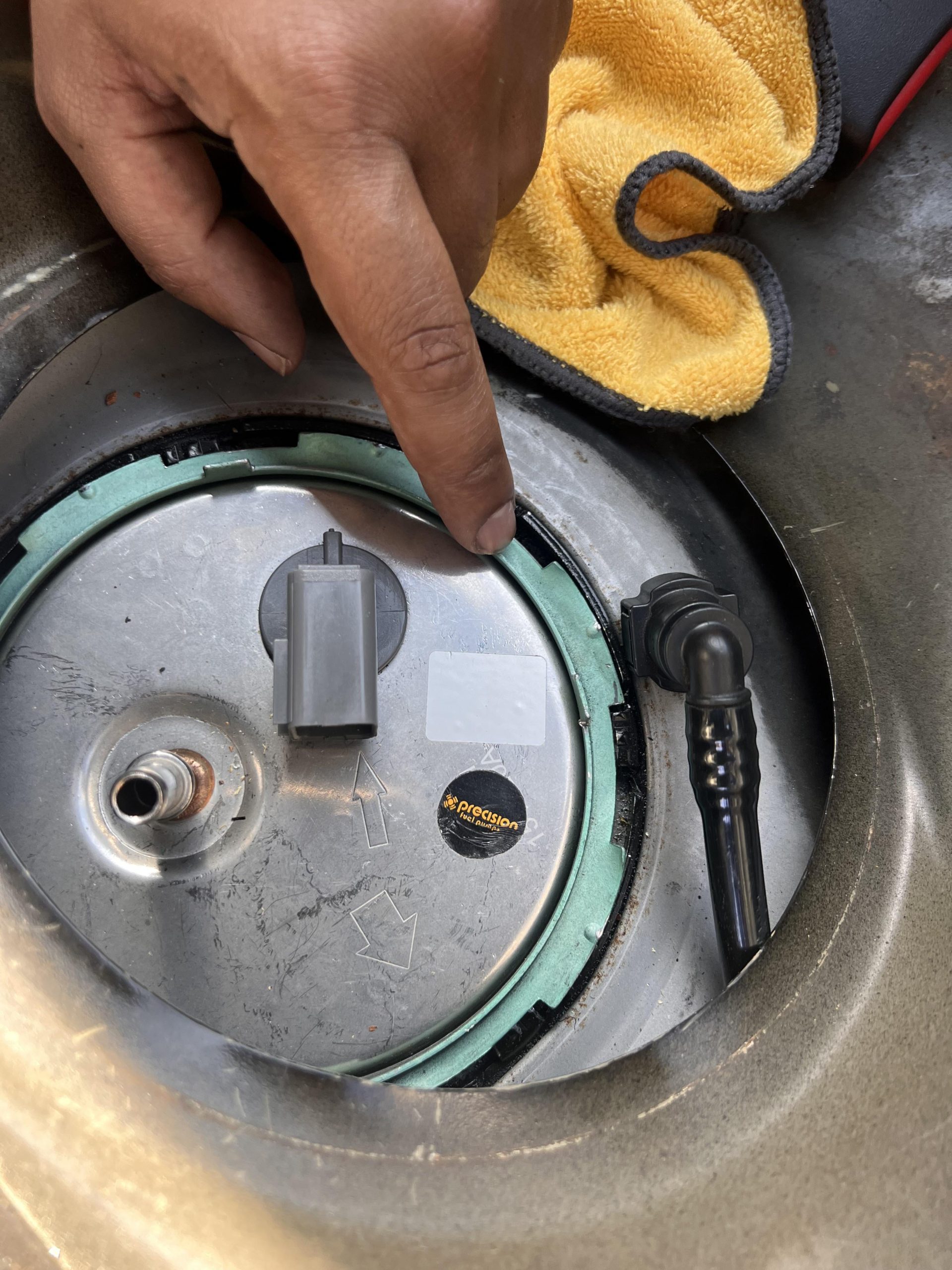
Identify the retaining-ring design, fit the correct seal and follow vehicle-specific locking or torque instructions without damaging the tank flange.
Find out whether poor fuel delivery comes from a strainer, filter, line or damaged pump, and why flushing a sealed pump is not a universal repair.
Understand relay control, circuit protection and automatic shutdown before adding a fuel-pump switch or modifying an existing vehicle circuit.
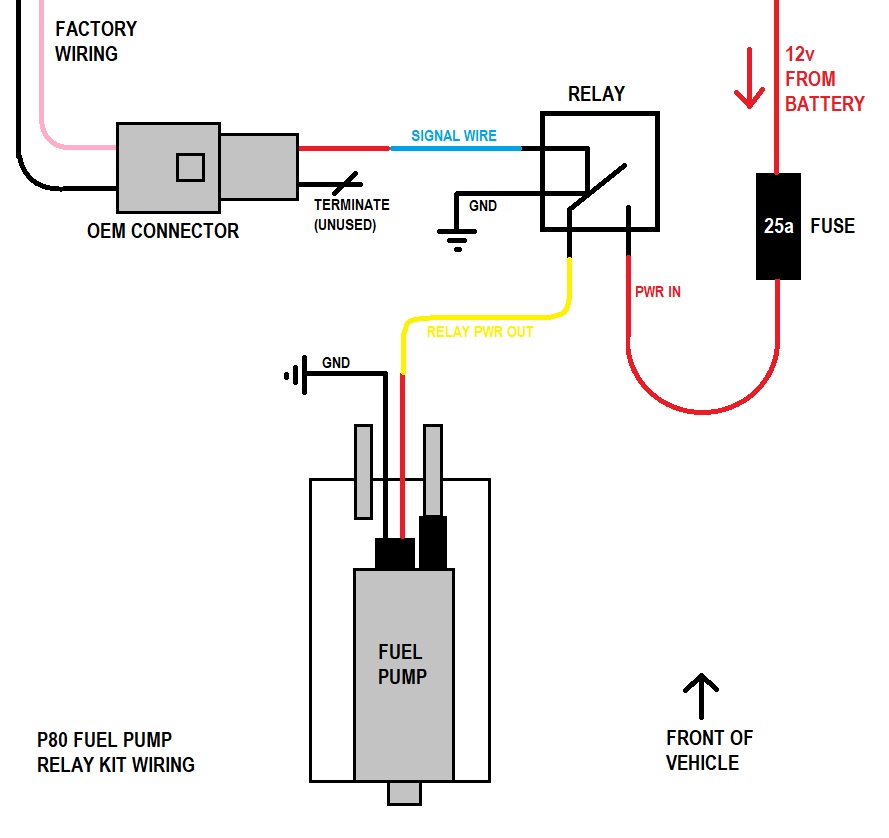
Understand fuel pump relay power, control, fusing and engine-stop protection before wiring. Use the correct diagram, not a universal pinout.
Locate the correct fuel-pump or controller fuse, understand what a blown fuse means, and avoid unsafe substitutions or misleading visual checks.
Separate contamination, wear, drive damage and supply faults from misleading rail-pressure symptoms before replacing a high-pressure fuel pump.
Learn how a fuel pump driver module fits between engine control and the pump, why faults can overlap, and how it differs from a simple relay.
Understand DENSO pump and module options, verify exact vehicle fitment, and separate manufacturer claims from evidence about your replacement part.
AdvertisementIn-feed · 336×280 / 300×250 desktop · 300×250 mobilehouse_infeed
AdvertisementSidebar · 300×250 / 300×600house_sidebar
AdvertisementLeaderboard · 728×90 desktop · 320×50 mobilehouse_bottom