AdvertisementLeaderboard · 728×90 / 970×250 desktop · 320×50 mobilehouse_top_leaderboard
Motor Oil
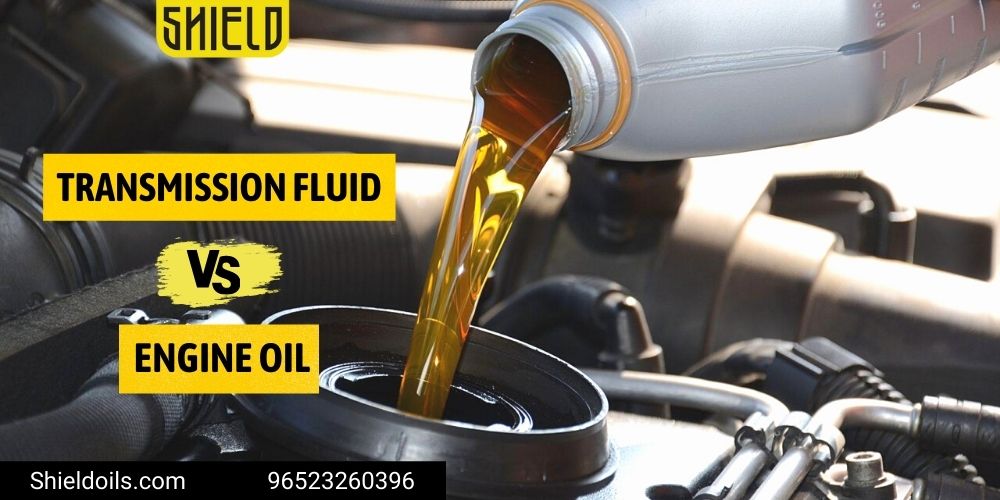
Motor oil and transmission fluid are not generally interchangeable. Compare ATF, CVT, DCT and manual fluids, check specifications, and handle mistaken fills.
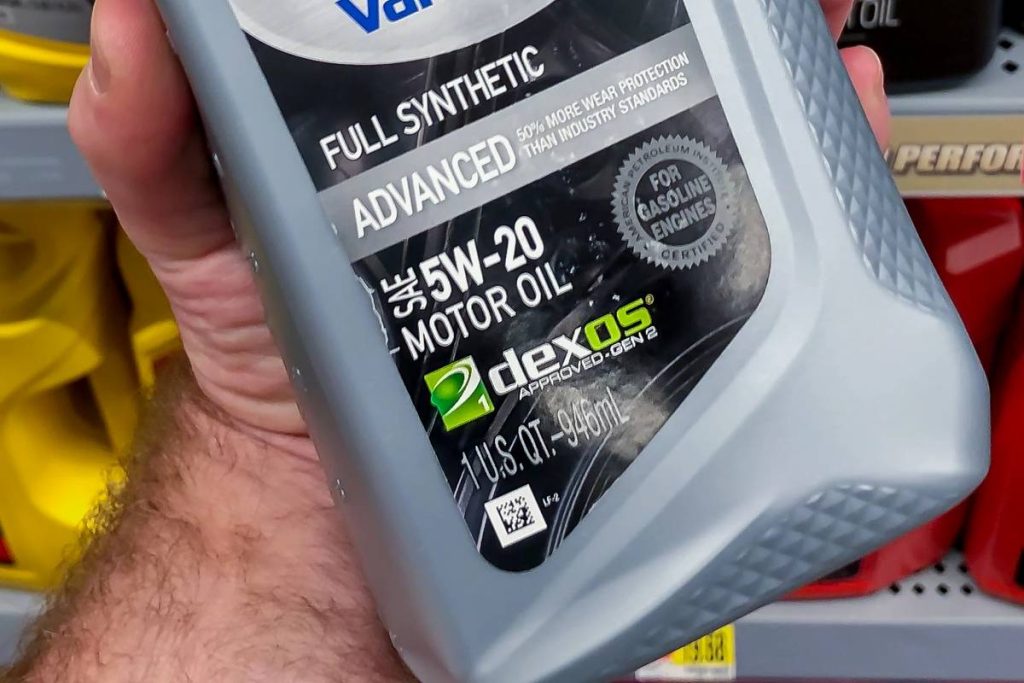
Understand dexos1 Gen 3, dexosD, dexos2, and dexosR. Match the correct GM oil requirement and viscosity, then verify the actual product license.
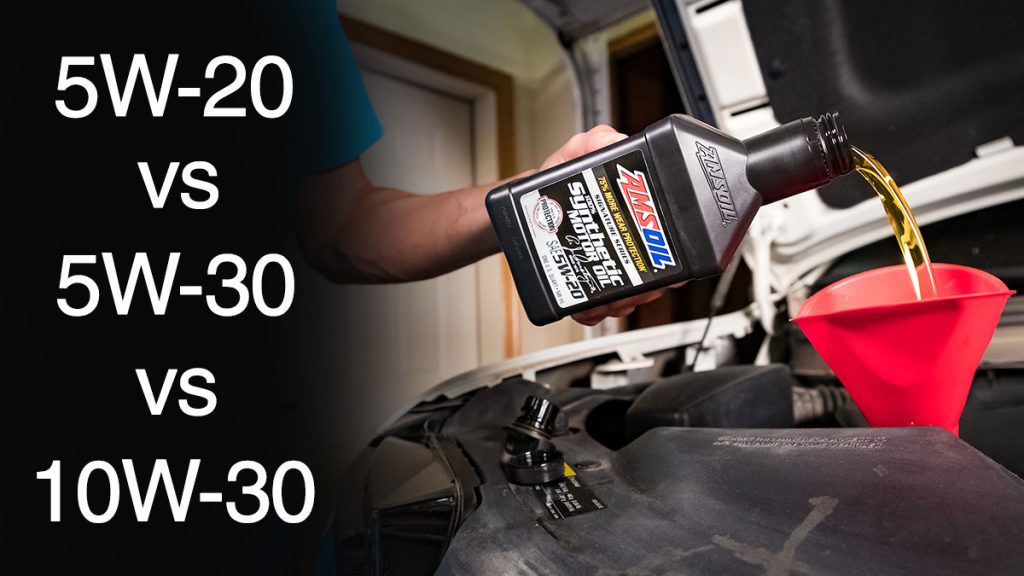
Understand the difference between 5W-20 and 5W-30, compare real product data, and check whether your engine permits substitution before changing oil grades.
Compare motor oil and brake fluid by function and specification, and learn the safe response if oil contaminates a hydraulic brake system.
Compare engine oil and transmission fluid by function, specification and service procedure, and learn what to do if the wrong fluid was added.
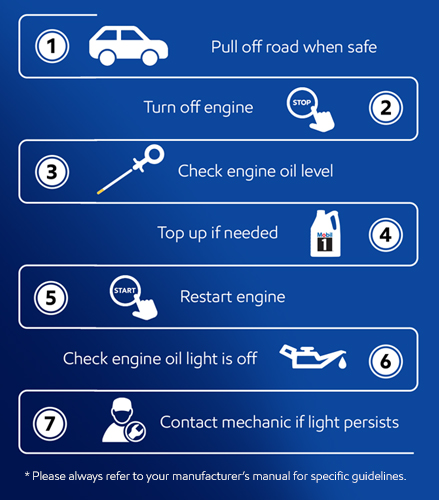
An oil-pressure warning needs a safe stop. Distinguish pressure, level and service alerts, check the exact manual, and prepare information for assistance.
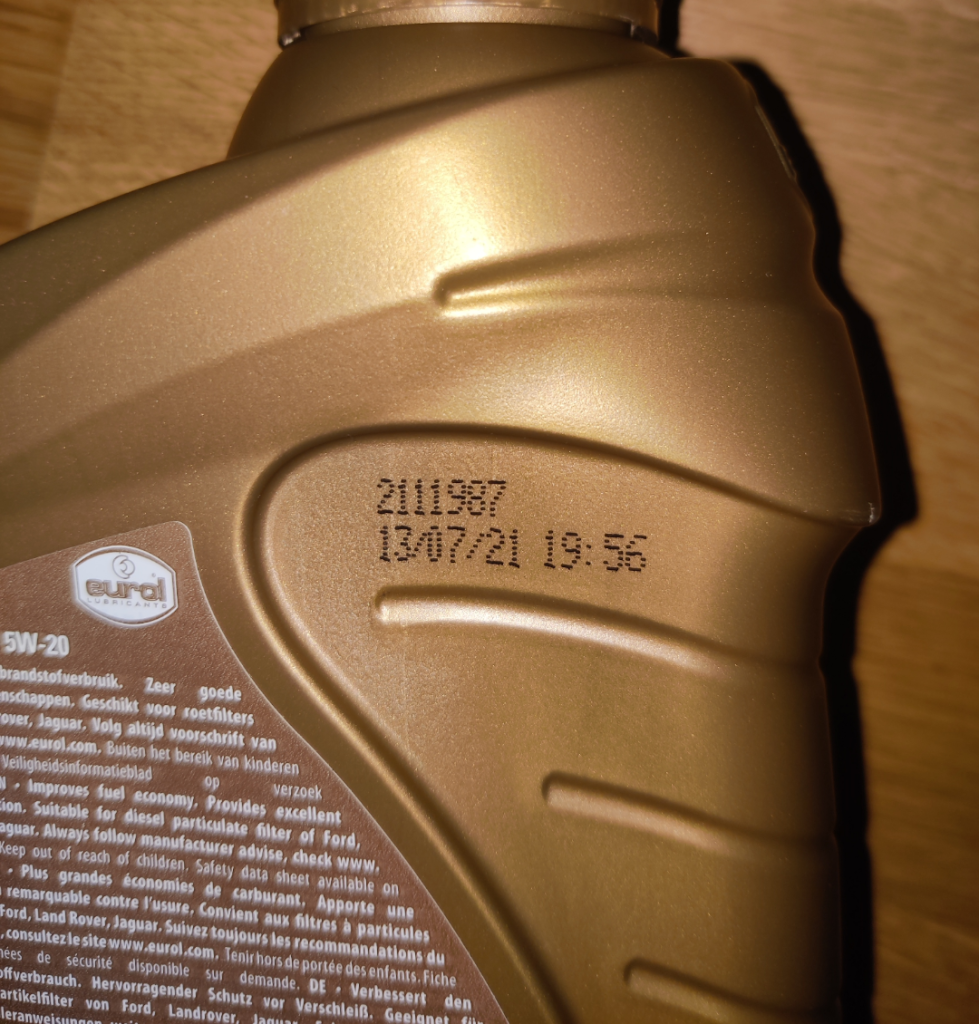
Understand motor-oil shelf life, unopened versus opened bottles, manufacturer date codes, storage problems, and why a bottle date is not an oil-change interval.
Understand fuel-like oil odors through level trends, driving history, laboratory testing, and vehicle-specific diagnosis. Smell alone cannot measure dilution.
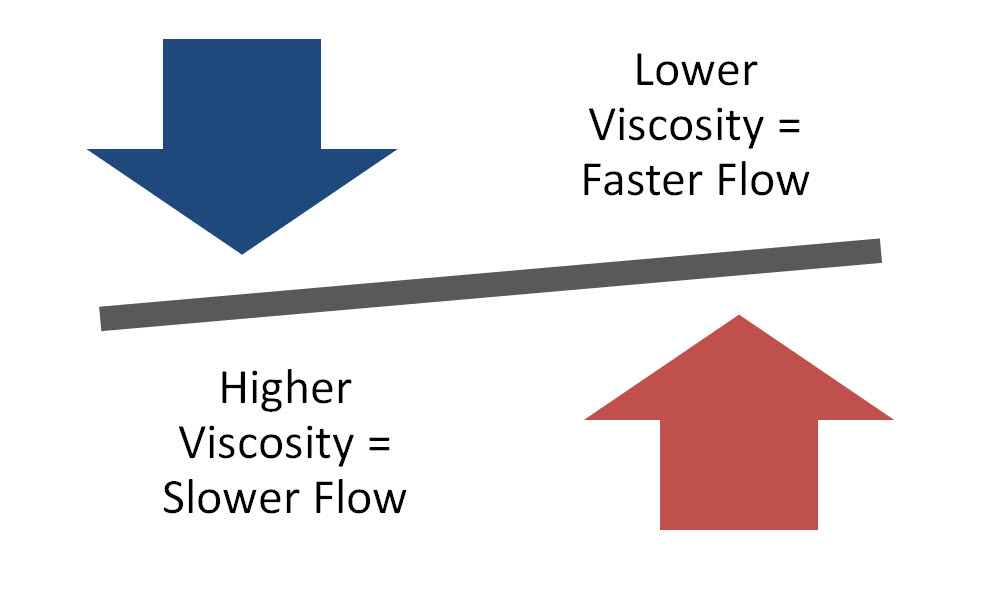
Oil must retain suitable flow and film behavior as it heats and ages. Learn how dilution, shear and contamination can change viscosity and what to investigate.
Understand motor-oil price differences without guessing at market causes. Compare specifications, pack sizes and complete oil-change quotes fairly.
Read cold-start and operating-temperature oil grades correctly. Match viscosity and approvals to your engine instead of assuming thicker oil is better.
AdvertisementIn-feed · 336×280 / 300×250 desktop · 300×250 mobilehouse_infeed
AdvertisementSidebar · 300×250 / 300×600house_sidebar
AdvertisementLeaderboard · 728×90 desktop · 320×50 mobilehouse_bottom