AdvertisementLeaderboard · 728×90 / 970×250 desktop · 320×50 mobilehouse_top_leaderboard
Ball Joints
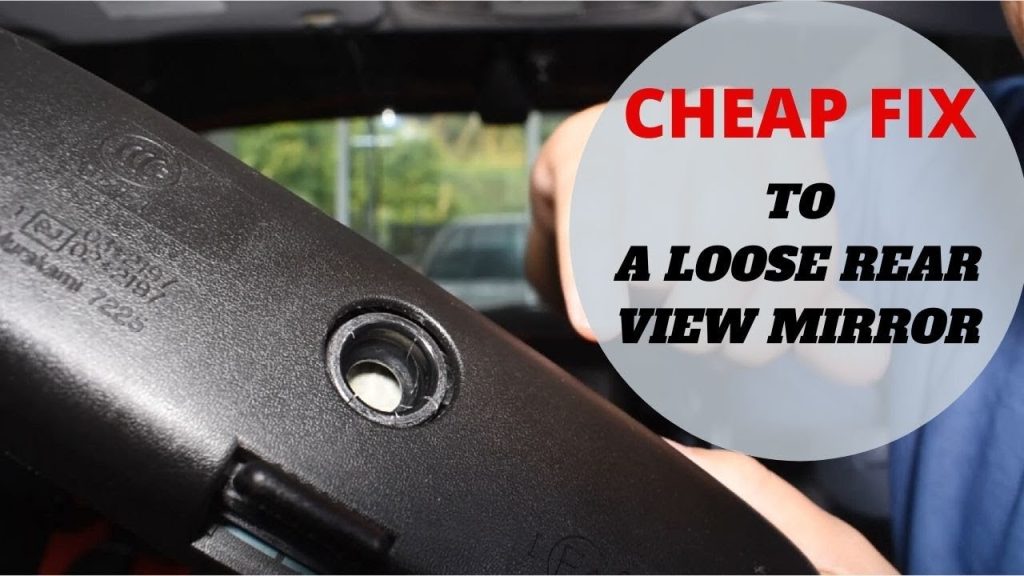
Identify the mirror head, adjustment socket and windshield mount before removal. Find the correct service procedure and avoid glass or wiring damage.
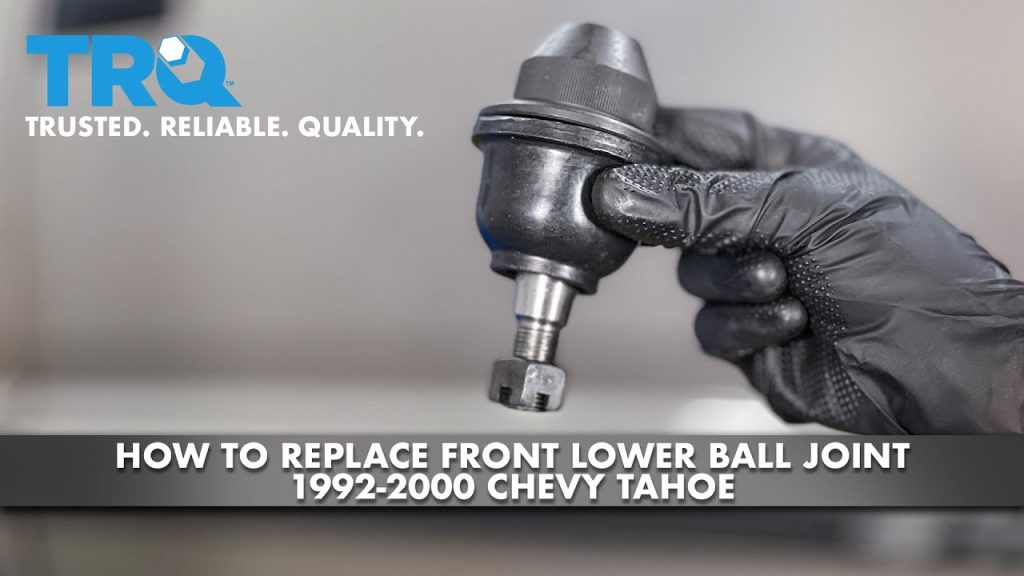
Identify your Chevy truck, suspension and exact lower-joint application before choosing parts, press adapters and a replacement procedure.
Understand ball-joint noises, steering changes and tire wear, then distinguish suspicion from a vehicle-specific inspection and repair decision.
Distinguish loose ball-joint hardware from internal wear. Check fitment, damage, specified torque and locking hardware before deciding on repair.
Check taper seating, correct hardware and approved holding methods when a ball-joint stud spins. Avoid impact shortcuts and unsupported jacking.
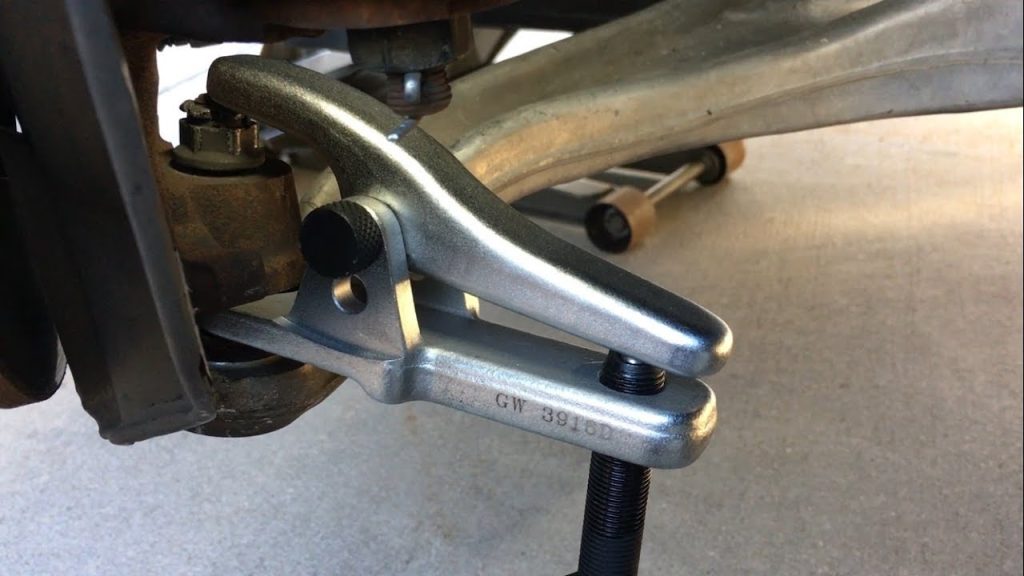
Choose a compatible separator, verify contact points and support the suspension. Follow tool-specific limits instead of universal force or hammer methods.
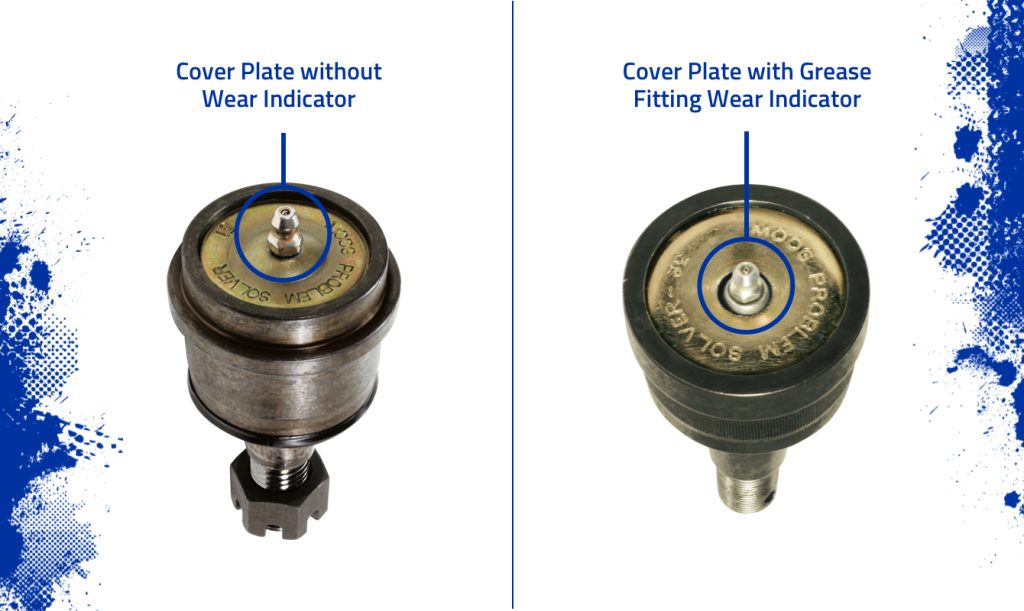
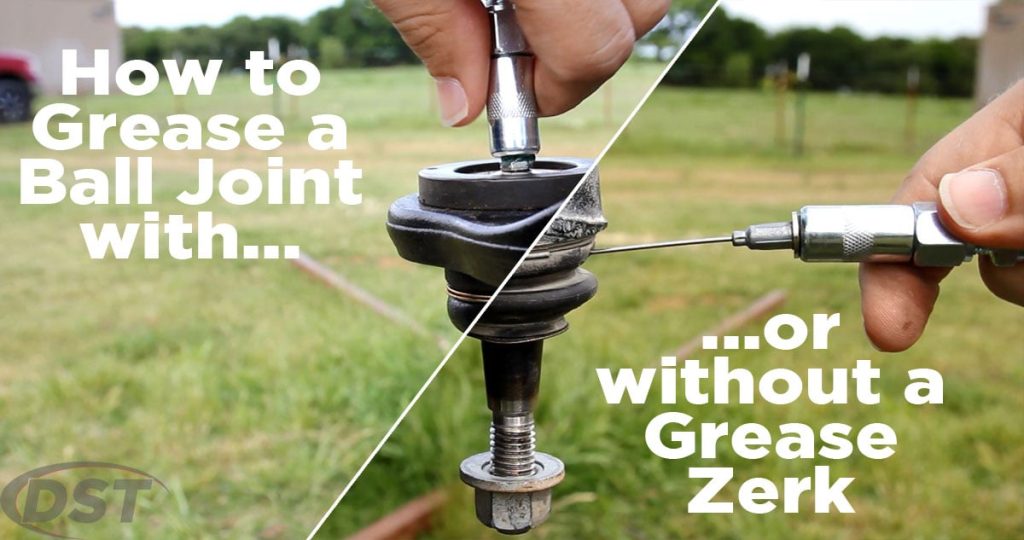
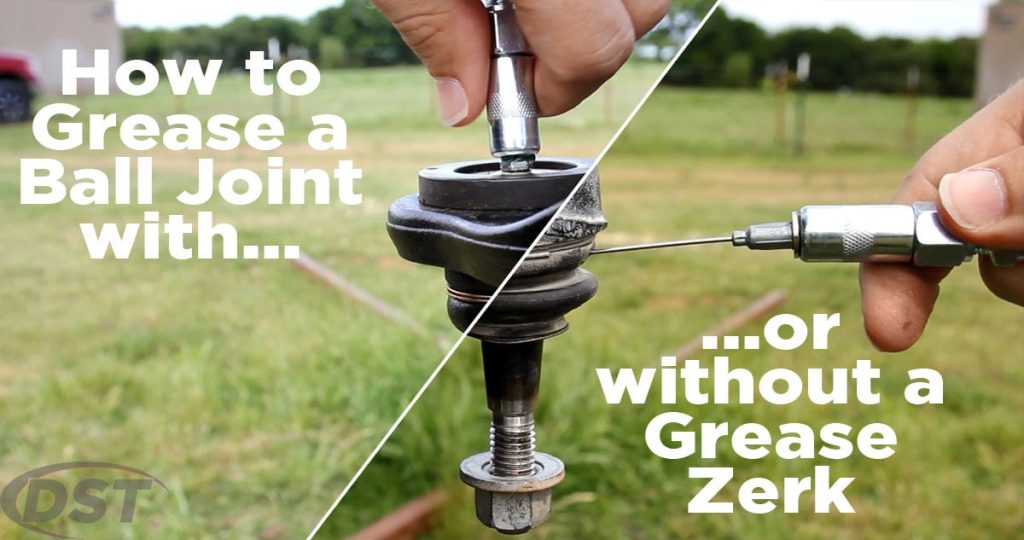
Learn how to connect and prime a grease gun for serviceable ball joints, recognize delivery faults and avoid pressure or overfilling damage.
Decide between one ball joint and a pair using inspection findings, vehicle requirements, supplier guidance and the complete repair quote.
Ball-joint separation can change wheel position and cause loss of control. Understand the consequences, safe recovery and the required damage assessment.
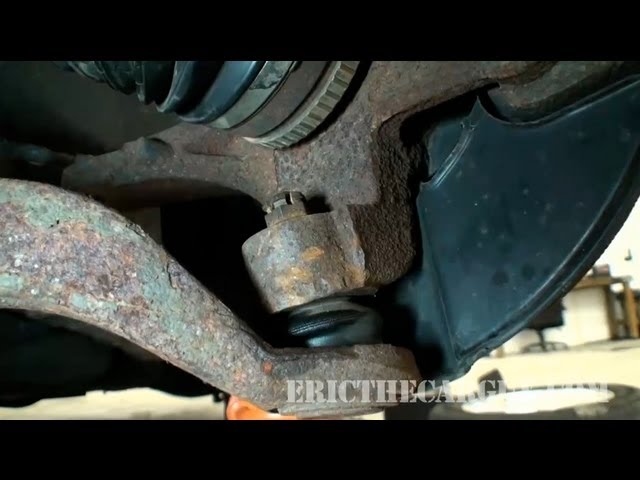
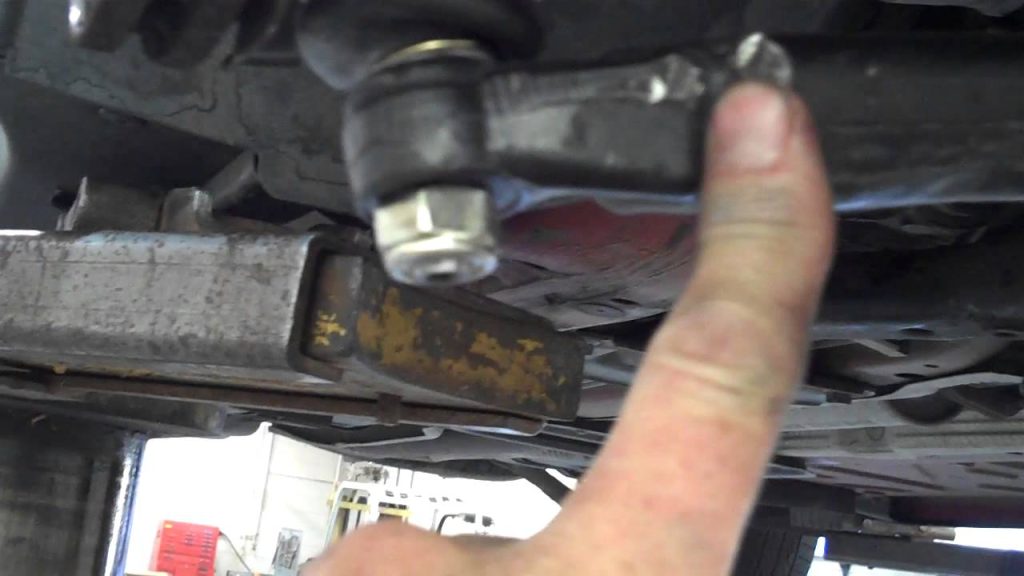
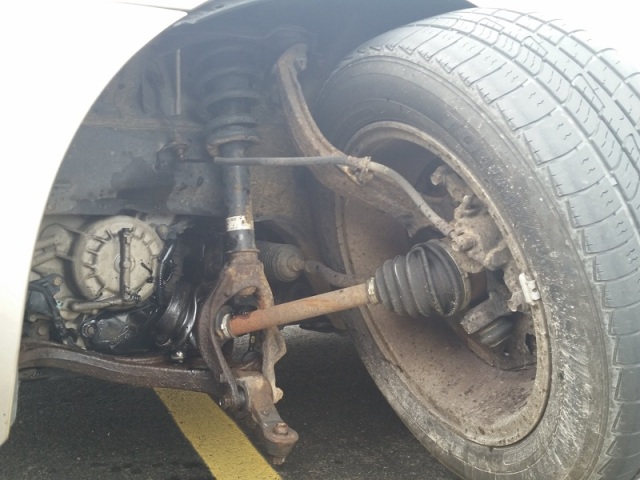
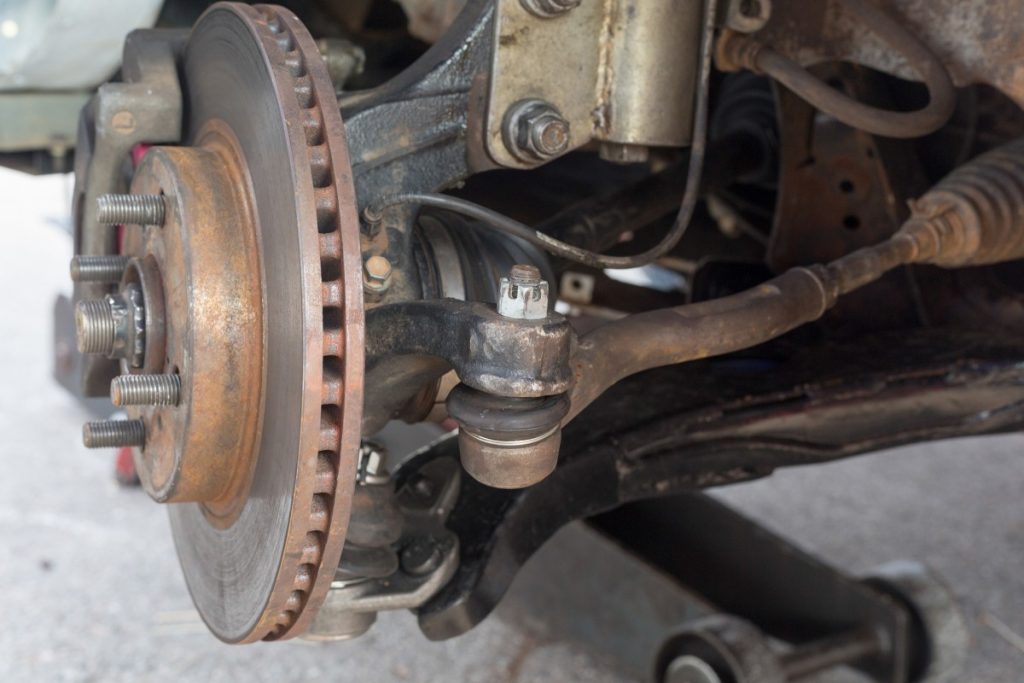
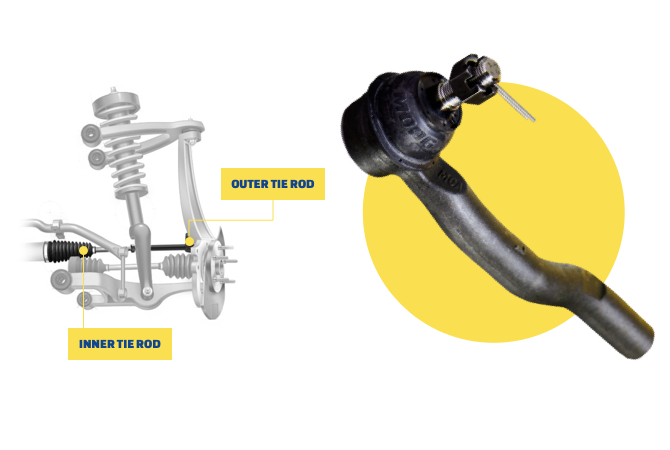
Learn what a suspension ball joint is, where to identify it and how it differs from tie-rod ends, bushings and other wheel-end components.
Understand ball-joint grease, consistency grades and product specifications without confusing lubricant selection with a repair for wear.
AdvertisementIn-feed · 336×280 / 300×250 desktop · 300×250 mobilehouse_infeed
AdvertisementSidebar · 300×250 / 300×600house_sidebar
AdvertisementLeaderboard · 728×90 desktop · 320×50 mobilehouse_bottom